Infection and Disease Are Not the Same Thing Because __________.
As the names suggest bacteria cause bacterial infections and viruses cause viral infections. While disease occurs when the bodys immune system gets weakens and the pathogen starts harming the cells of the body part where it has infected.

Modes Of Disease Transmission Microbiology
Its only when a.
. Lingering symptoms like weakness shortness of breath trouble focusing and in some cases kidney and heart problems are much more common after COVID-19 than after influenza. People often think about infection and disease as being the same thing and that is not the case said Brianne Barker a virologist at Drew University. Some infections spread to people from an animal or insect but are not contagious.
Infectious diseases are caused by microscopic germs such as bacteria or viruses that get into the body and cause problems. Infections can be caused by a wide range of. Answer From Pritish K.
Vaccines stimulate your own immune system to produce antibodies which then can recognize. An infectious disease also known as a transmissible disease or communicable disease is an illness resulting from an infection. It is important to know whether bacteria or viruses cause an infection because the treatments differ.
These bacteria are called normal flora and are considered normal inhabitants. A flu virus can cause a runny nose muscle aches and an upset stomach. The symptoms of these infections vary depending on the virus involved.
Antibiotics cannot kill viruses because bacteria and viruses have different mechanisms and machinery to survive and replicate. A person with a bacterial infection will often experience redness heat swelling fever and pain at. One theory suggests that we mount a larger and longer-lasting immune response to more repetitive-looking pathogens.
This article will explain each of the five stages of infection in detail describing how long they can. Infection can sometimes be treated if properly diagnosed. White blood cells antibodies and other mechanisms go to work to rid your body of the foreign invaderIndeed many of the symptoms that make a person suffer during an infectionfever malaise headache rashresult from the activities of the immune system trying to eliminate the infection from the body.
In fact a host of bacteria normally live on the skin eyelids nose and mouth and in the gut. The main concepts of prevention and control of infection. Of nurses and midwives on infections and infectious diseases and their prevention and control within the European region.
The antibiotic has no target to attack in a virus. Examples of bacterial infections include whooping cough strep throat ear infection and urinary tract infection UTI. Many human illnesses are caused by infection with either bacteria or viruses.
Most bacterial diseases can be treated with antibiotics although antibiotic-resistant strains are starting to emerge. It is important to realize that not all germs bacteria viruses fungi and parasites cause disease. AIDS is a condition.
In response to infection your immune system springs into action. Perhaps the most important distinction between bacteria and viruses is that antibiotic drugs usually kill bacteria but they arent effective against viruses. Hepatitis A is a virus that affects the liver for a few weeks up to several months.
Infectious diseases that spread from person to person are said to be contagious. Infectious diseases are illnesses caused by germs microbes. Symptoms may include yellow skin nausea diarrhea and vomiting.
Contagious diseases are spread by contact while infectious diseases are spread by infectious agents. Infection is normally caused by if you get a cut and bacteria gets in it but a disease can be passed down or it can be caught like the flu Advertisement New questions in Health Someone who is combining there personality talents and passions in one area The nurse has become concerned that a patient may be developing a fluid volume imbalance. Unusual vaginal bleeding or spotting between periods or after sex.
There are five stages of infection. Something contagious is by default infectious because contact exposed you to the infectious agent but something infectious isnt always contagious. While HIV is a virus that may cause an infection AIDS which is short for acquired immunodeficiency syndrome is a condition.
However antiviral medications and vaccines are specific for viruses. Viruses pose a challenge to the bodys immune system because they hide inside cells. Those that release toxins or invade body tissues.
Bacterial vs viral infection. Some but not all infectious diseases spread directly from one person to another. Worldwide infectious diseases such as malaria tuberculosis hepatitis viruses and diarrheal illnesses produce more disability and.
Disease which typically happens in a small proportion of infected people occurs when the cells in your body are damaged as a result of infection and signs and symptoms of an illness appear. As you might think bacterial infections are caused by bacteria and viral infections are caused by viruses. Infection occurs when viruses bacteria or other microbes enter your body and begin to multiply.
Infection does not necessarily lead to disease. Infection is a kind of bodys immune response against the attack of the pathogen. Contracting HIV can lead to the development of.
Objectives On completion of this manual you should have an understanding of. Mild COVID-19 illness has been described as flu-like. For example the antibodies we produce against variola the highly repetitively.
COVID-19 survivors report many more long-term effects of the infection than influenza survivors. Up to 15 of infected individuals experience recurrent illness within 6 months of infection. Changes in the amount of color or smell of vaginal discharge.
Important infections and infectious diseases in the European region including. You can be infected with food poisoning which itself is not contagious. Infectio discoloration dye A disease caused by microorganisms esp.
An infection is the invasion of an organisms body tissues by disease-causing agents their multiplication and the reaction of host tissues to the infectious agents and the toxins they produce.
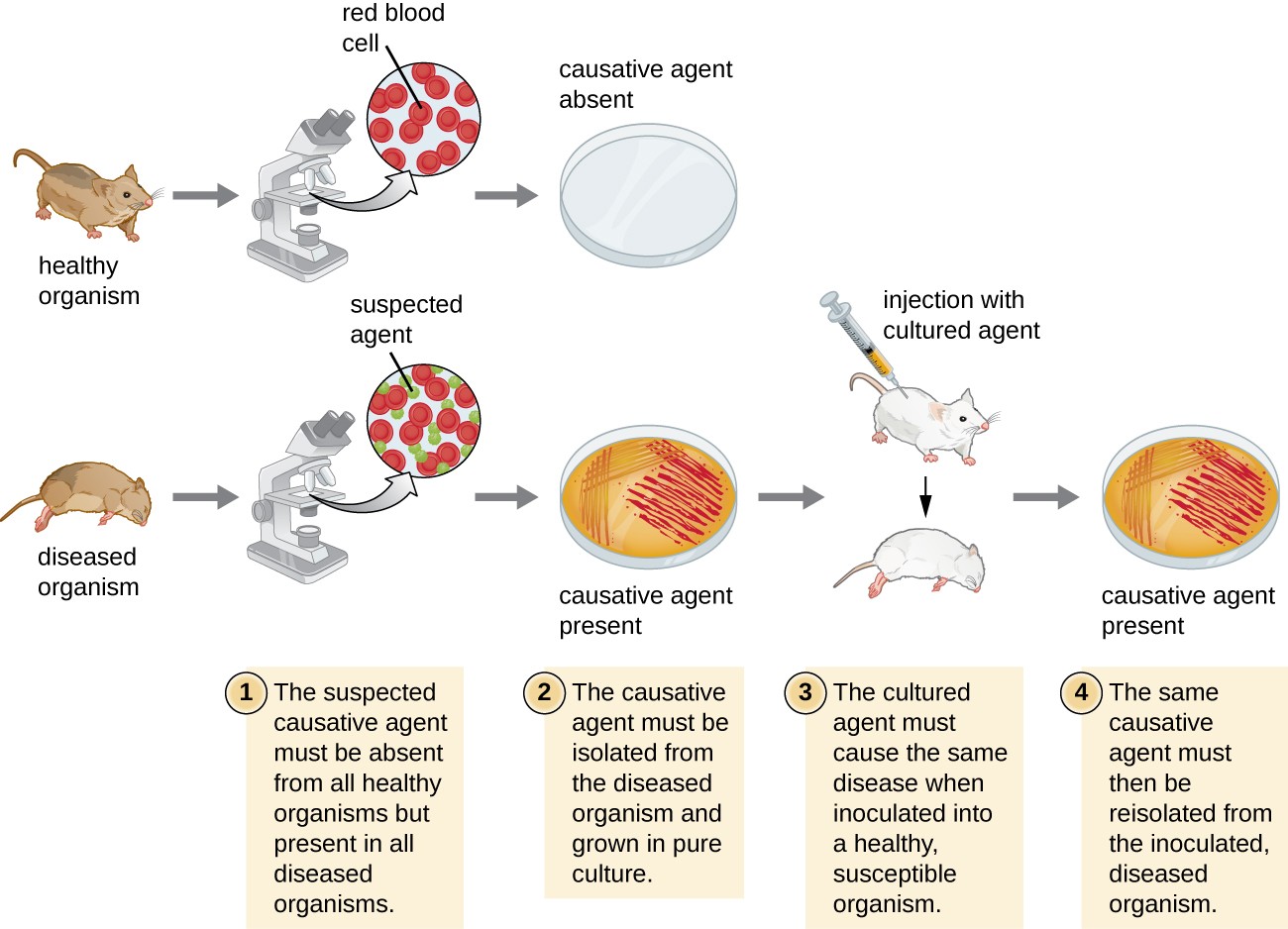
How Pathogens Cause Disease Microbiology
2
2
2
Comments
Post a Comment